
Our Location
304 North Cardinal St.
Dorchester Center, MA 02124

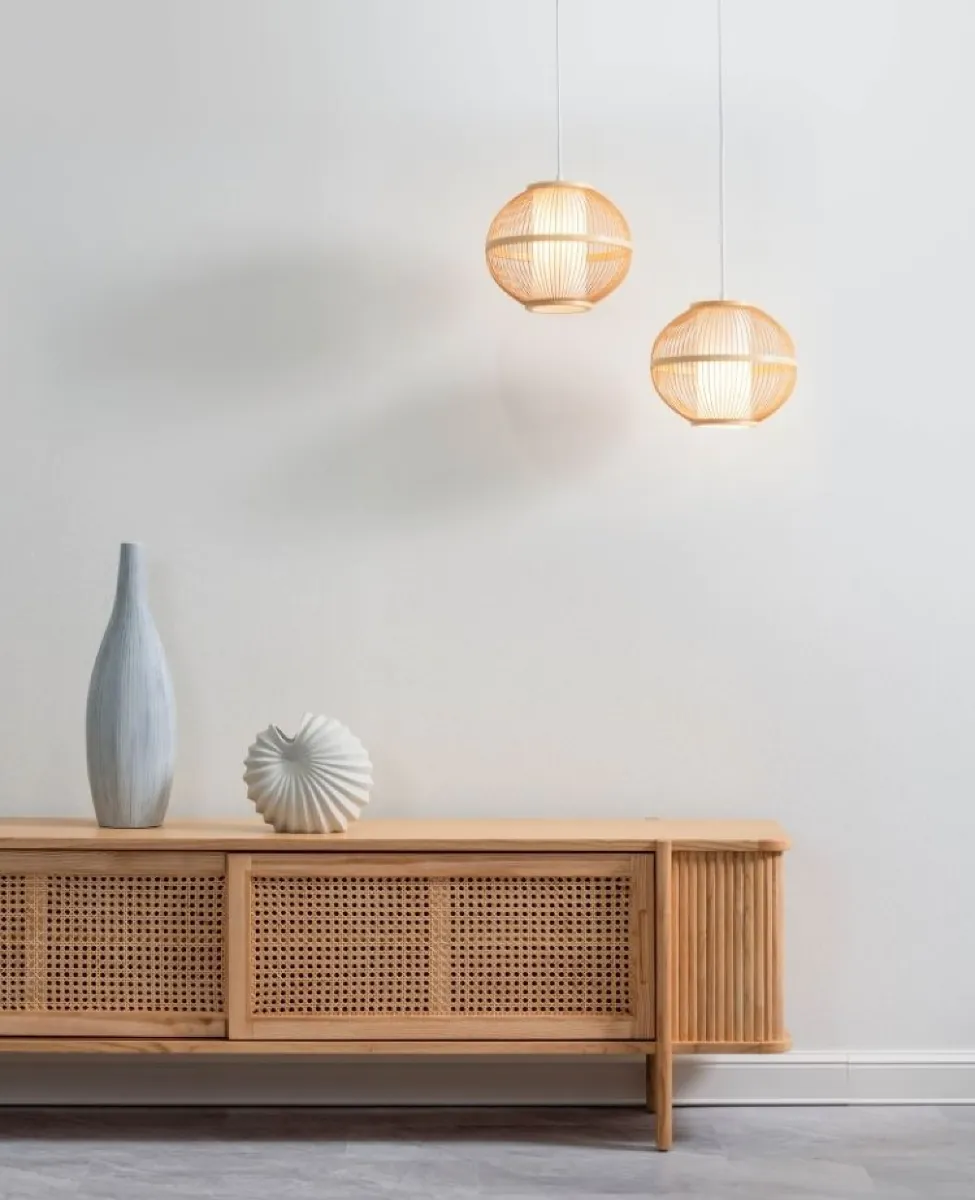
Interior design is about more than just furniture and color palettes; it’s about creating a space that feels comfortable, reflects your personality, and meets your needs. Whether you’re moving into a new home or refreshing an existing room, a few thoughtful design tips can make a huge difference.
Every room needs a focal point – a design element that draws the eye and sets the tone for the entire space. In the living room, this could be a statement piece of furniture like a sofa or coffee table, while in the bedroom, it might be the bed or a striking piece of artwork above it. Creating a focal point helps to balance the room and gives it structure.
One of the easiest ways to make a room feel more inviting is by adding layers. Layering combines different textures and materials for depth and warmth. Start with your furniture and then add in textiles such as throws, cushions, and rugs. These soft elements create a more relaxed and cozy atmosphere, especially in living rooms and bedrooms.
Don’t forget about curtains and window treatments. Choosing the right curtains can help regulate light and give a room a polished look. Opt for materials that complement the room’s color scheme and feel, such as linen for a laid-back vibe or velvet for a more luxurious feel.
Color is a powerful tool in interior design. It can change the perception of a room, affect mood, and influence the space’s overall feel. If you’re unsure about color, start with neutral tones like beige, gray, or white, and then build around them with pops of color. Accent walls, vibrant cushions, or colorful artwork can add personality to your space without overwhelming it.
However, don’t be afraid to experiment with bolder hues. A dark blue or emerald green accent wall can evoke sophistication, while shades of yellow can brighten a space and create an energetic vibe.
In open-plan homes or large rooms, furniture can act as a visual divider. Arrange sofas and chairs to create separate zones for different activities, such as a cozy reading nook or a socializing area. Additionally, furniture with legs can make a room feel more open, while bulky pieces can make the space feel cramped.
Personalization is key to making a house feel like a home. Incorporate items that reflect your tastes, memories, and personality. Family photographs, travel souvenirs, and artwork can add a unique flair to your space. Don’t be afraid to mix and match different styles – a little bit of eclecticism can give your room character.
While aesthetics are important, functionality should never be sacrificed. Ensure that your design choices cater to your lifestyle. For example, a large family may need ample seating and storage space, while someone working from home may need a dedicated office area with ergonomic furniture.
Interior design is all about creating a space that feels right for you. Whether you’re going for a minimalist approach or mixing various styles, these tips will help you design a space that’s both beautiful and functional. Embrace your creativity and enjoy the process of making your home your own!
